

How Western Massachusetts Can Win Sports and Entertainment Grants |
Unlocking Funding Opportunities for Western Mass Sports and Entertainment: A Winning Strategy |
Will YOU HELP US TO GROW? PLEASE SUBSCRIBE! IT'S FREE!
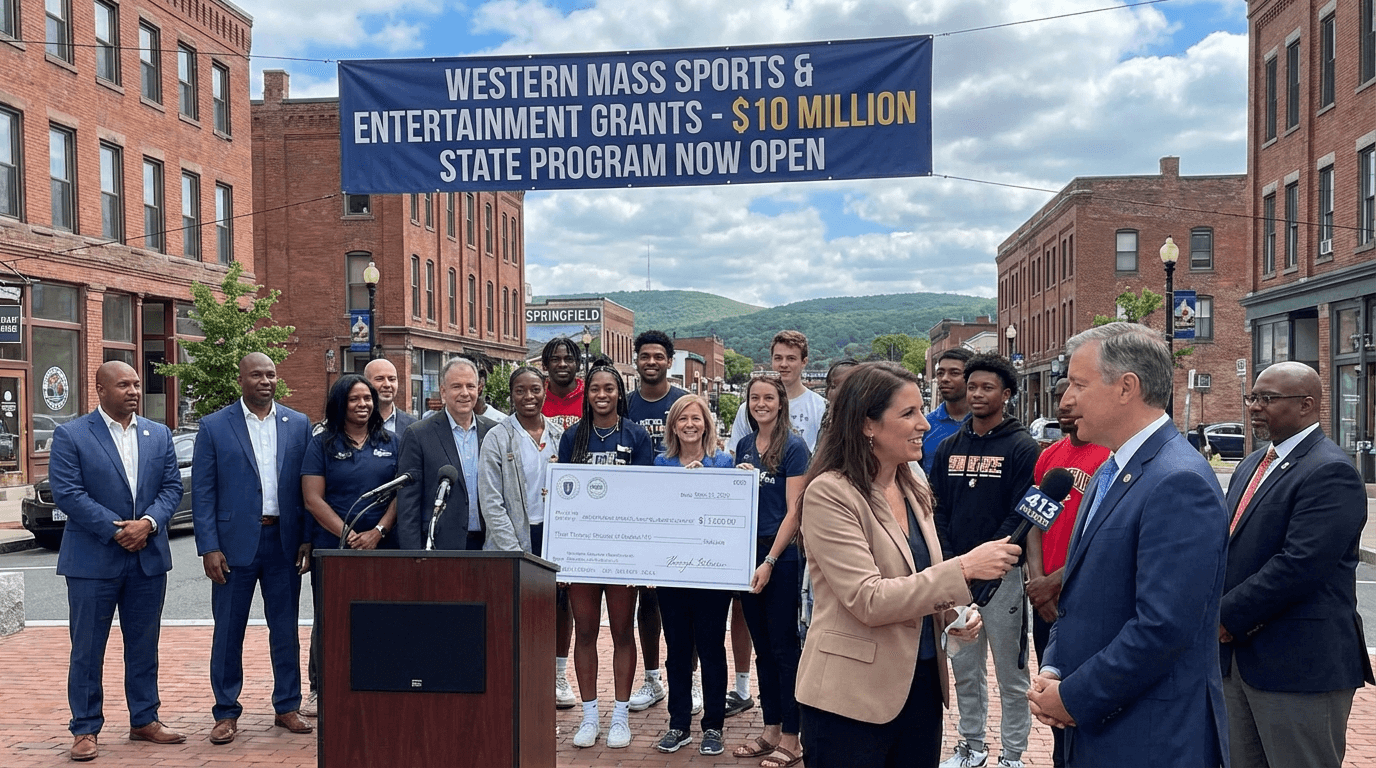
The state just opened a $10 million grant program to support major sports and entertainment events across Massachusetts. While the FIFA World Cup in Boston grabs headlines, Western Massachusetts communities have a real shot at securing funding for regional events that drive tourism and economic growth. The Sports and Entertainment Events Fund offers grants to nonprofits and municipalities that can demonstrate strong return on investment, economic impact, and the ability to promote Massachusetts nationally or internationally. The application deadline is March 4 at 3:00 PM, giving Western Massachusetts organizations less than a month to prepare competitive proposals. What Makes Western Massachusetts CompetitiveGeographic equity is one of four evaluation criteria, meaning the state wants to spread funding beyond the Boston metro area. Western Massachusetts offers distinct advantages that evaluators will recognize. The region hosts established venues capable of handling significant events. The MassMutual Center in Springfield seats 8,000 for concerts and sporting events. Tanglewood in Lenox draws international audiences for classical music. The Berkshires attract cultural tourists year-round, while the Pioneer Valley offers college sports facilities and downtown event spaces in Northampton, Amherst, and Springfield. Western Massachusetts also benefits from lower operational costs compared to Boston. Matching fund requirements become more achievable when venue rentals, accommodations, and staffing cost less. A dollar stretches further here, potentially delivering stronger return on investment per grant dollar awarded. Events That Could Qualify |

The program targets major sports and entertainment events, but the state has not published minimum attendance requirements or specific event categories. Based on the evaluation criteria, competitive applications will likely feature events that attract out-of-state visitors, generate overnight stays, and create measurable economic activity. Sports possibilities include:
Entertainment and cultural events might include:
The 2025 World Figure Skating Championships in Boston demonstrates the type of event the state values. Western Massachusetts could pursue similar international competitions in winter sports, given the region's ski infrastructure and proximity to New York and Connecticut markets. Understanding the MoneyThe program caps individual grants at $5 million, or half the total fund. Most Western Massachusetts applications will likely request far less, potentially increasing approval odds if proposals demonstrate efficient use of funds. The matching requirement presents both a challenge and an opportunity. Grantees must provide matching funds equal to or greater than the grant amount. A $100,000 grant requires at least $100,000 in matching funds from the applicant. Matching funds can come from multiple sources. Municipal budgets, private sponsorships, ticket revenue projections, and in-kind contributions may all count toward the match. Organizations should start identifying potential matching sources now, before the March 4 deadline. Smaller grant requests with solid matches may fare better than ambitious proposals with shaky financial backing. A well-planned $150,000 event with confirmed $150,000 in matching funds could outscore a $500,000 proposal with uncertain financial support. Building a Strong ApplicationThe state evaluates applications on four criteria: return on investment, economic impact to tourism, potential for national and international promotion, and geographic equity. Western Massachusetts applicants should address each directly. Return on investment means demonstrating that grant dollars will generate measurable economic activity. Calculate projected visitor spending on hotels, restaurants, transportation, and attractions. Show how the event creates jobs, even temporary ones. Quantify tax revenue generation for state and local governments. Economic impact to tourism requires proving the event attracts visitors who would not otherwise come to Massachusetts. Day-trippers from Connecticut do not count as strongly as overnight visitors from California or international tourists. Events during shoulder seasons (spring and fall) may score higher by filling hotel rooms during slower periods. National and international promotion potential favors events that generate media coverage and social media engagement beyond Massachusetts. Partner with regional tourism organizations to demonstrate promotional reach. Show how the event positions Western Massachusetts as a destination worth visiting again. Geographic equity works in Western Massachusetts' favor, but applications must still make the case. Explain how funding this event balances tourism development across the state. Highlight underutilized assets and untapped markets in the region. What You Need to ApplyApplications require detailed budgets, event timelines, marketing plans, and letters of support from key partners. Start gathering these materials now. Identify your matching fund sources and secure written commitments where possible. A letter from a corporate sponsor committing $50,000 carries more weight than a projection that you might sell $50,000 in tickets. Line up municipal support early. A letter from the mayor or select board demonstrates local buy-in and may help secure municipal matching funds. Some towns have economic development funds that could contribute to the match. Connect with regional tourism organizations like the Berkshires Visitors Bureau or the Greater Springfield Convention and Visitors Bureau. Their data on visitor spending and hotel occupancy can strengthen your economic impact projections. Getting Help Before the Deadline |


The Massachusetts Office of Travel and Tourism is hosting an optional webinar on February 11 at 10:00 AM for potential applicants. Register through the MOTT website to learn more about evaluation criteria and application requirements. Use the webinar to ask specific questions about your event concept. State officials may provide guidance on whether your idea fits the program's goals and how to strengthen your application. The application portal on the MOTT website includes detailed program guidelines and eligibility requirements. Review these carefully before starting your application. Missing a required element could disqualify an otherwise strong proposal. Why This Matters for Western MassachusettsTourism represents a growth opportunity for Western Massachusetts, but the region often lacks resources to compete for major events. This grant program levels the playing field by providing capital to offset startup costs and operational expenses. Successful events create momentum. A well-executed tournament or festival in 2026 can become an annual tradition that grows over time. The initial grant helps prove the concept and build the infrastructure for future success. The program also encourages collaboration between municipalities, nonprofits, and private businesses. These partnerships often outlast individual events, creating networks that support broader economic development goals. Western Massachusetts has the venues, the natural assets, and the cultural institutions to host compelling events. This grant program provides the financial support to turn potential into reality. The March 4 deadline approaches quickly, but organizations that move decisively can submit competitive applications that bring major events and economic benefits to the region. |





0 Comments
Join the conversation
Be the first to comment
Share your thoughts above.