

Uncover Hidden Gems with the Western MA Winery Passport! |
Unlock the hidden gems of Western Mass with the ultimate winery passport experience. |
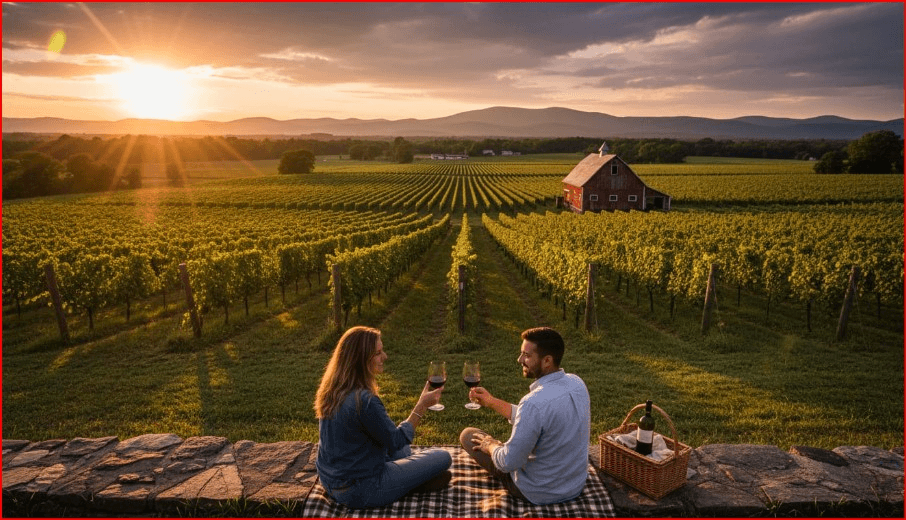
Western Massachusetts launched a new winery passport program in late 2025 that connects eight local wineries. This self-guided trail gives you a chance to explore small family-run operations that produce everything from traditional grape wines to experimental fruit wines. Here are some details about the participating wineries, practical visiting information, and realistic expectations for planning your trip. You'll learn what each location offers, typical costs, and important policies before you go! Understanding the Winery Passport ProgramLeslie Cameron, owner of Cameron's Winery in Northfield, created the Western Massachusetts Winery Passport to promote local wine tourism. The program launched in November 2025 according to reporting by MassLive and the Greenfield Recorder. The passport works simply. You pick up a free passport card at any participating winery. Visit each of the eight locations, taste their wines, and collect a stamp. Once you complete all eight stamps, you enter a drawing for prizes from the participating wineries. The program has no participation fee and no time limit for completion. You can visit all eight wineries in one weekend or spread your visits across several months. The Eight Participating WineriesEach winery brings something different to the trail. Here's what verified sources confirm about each location. Cameron's Winery in Northfield started the passport initiative. They focus on fruit wines and welcome visitors to their tasting room. Glendale Ridge Vineyard in Southampton operates Thursday through Sunday with specific hours. They open Thursdays 3-6pm, Fridays 3-7pm, Saturdays 1-7pm, and Sundays 1-6pm according to their website. They allow well-behaved leashed dogs outside and permit children with adult supervision. Their tasting room overlooks the vineyard. Agronomy Farm Vineyard in Oakham is run by Marissa and Corey O'Connor. Their website confirms they allow dogs on the grounds and deck but not inside the tasting room. The name reflects their background in agricultural science. Hardwick Winery in Hardwick produces wines from unexpected ingredients. Their website and retail listings confirm they make Pioneer Pumpkin wine and Lavender Look wine. The Greenfield Recorder reported they also produce asparagus wine. Black Birch Vineyard in North Hatfield charges $12 for tastings that include four one-ounce pours according to their website. They recommend planning at least 40 minutes for your visit. Tastings happen at their indoor bar or outside during summer months. Mineral Hills Winery operates at Godard's Red Hen Farm in Florence. This working farm setting lets visitors see agricultural operations alongside wine production. Home Fruit Wine in Orange specializes in unusual fruit wines. The Greenfield Recorder confirmed they produce "Beet Le Juice" made from beetroot and a kiwi wine. Wine Haus and Vineyard in Granby completes the trail with their own selection of wines and tasting room. What to Expect for Costs and HoursTasting fees at Massachusetts wineries typically range from $12 to $22 based on research of similar operations in the state. Black Birch Vineyard specifically charges $12 for four tastings. Other participating wineries may have different pricing structures. Many rural Massachusetts wineries operate Thursday through Sunday only. Glendale Ridge Vineyard follows this pattern with afternoon and evening hours. Some locations may have seasonal schedules or reduced winter hours. You should call ahead or check websites before visiting. Small wineries sometimes close for private events or adjust hours based on weather and staffing. Planning Your VisitRealistic planning makes your winery experience better. Here's what you need to know. Time Requirements Budget 45 minutes to one hour at each winery. This gives you time to taste wines, talk with staff, and look around the property. Black Birch Vineyard specifically recommends 40 minutes minimum. Visiting all eight wineries requires at least two full days. The locations spread across Western Massachusetts from Northfield in the north to Southampton in the south. Best Visiting Times Spring through fall offers the most reliable hours and best weather. Many wineries reduce hours or close certain days during winter months. Fall brings harvest activities and foliage but also larger crowds on weekends. Weekdays typically have fewer visitors than weekends. Thursday and Friday afternoons work well if your schedule allows. What to Bring Bring a cooler if you plan to purchase wine. Most wineries provide ice packs but a cooler protects bottles during transport. Wear comfortable walking shoes. Some wineries have gravel paths or require walking through vineyard areas. Skip strong perfumes or colognes. Heavy scents interfere with wine tasting for you and others. Bring cash as backup payment. While many locations accept cards, some smaller operations prefer cash. Family and Pet PoliciesPolicies vary by winery. Glendale Ridge Vineyard allows children but requires adult supervision. They permit leashed dogs in outdoor areas only. Agronomy Farm Vineyard welcomes dogs on their grounds and deck but not inside the tasting room. Dogs must stay leashed. Other wineries may have different rules. Call ahead if you plan to bring children or pets. Some locations may restrict access to certain areas or times. Accessibility ConsiderationsGlendale Ridge Vineyard has published an accessibility statement on their website. Other wineries may have varying levels of wheelchair access depending on their building age and layout. Rural wineries often occupy older farm buildings or have gravel parking areas. If you need specific accessibility accommodations, contact wineries directly before visiting. Understanding Fruit WinesSeveral participating wineries produce fruit wines alongside or instead of grape wines. This confuses visitors who expect only traditional grape-based wines. Fruit wines use the same fermentation process as grape wines. Yeast converts natural sugars in the fruit into alcohol. The main differences are the base ingredient and resulting flavor profile. Hardwick Winery's Pioneer Pumpkin wine and Home Fruit Wine's Beet Le Juice represent this category. These wines often taste sweeter and more approachable than dry grape wines. Making quality fruit wine requires the same skill as grape winemaking. The winemakers at these locations take their craft seriously even when using unconventional ingredients. Transportation and SafetyNever drive after tasting at multiple wineries. Plan your transportation before you start. Designate a non-drinking driver in your group. Some wineries offer non-alcoholic beverages or small discounts for designated drivers. Consider hiring a car service or using ride-sharing apps. This costs more but lets everyone participate in tastings. Book overnight accommodations near the wineries you plan to visit. This eliminates long drives after tasting and lets you visit more locations. Creating Your RouteThe eight wineries spread across Western Massachusetts. Smart routing saves driving time. Check distances between locations using a mapping app before you start. Some wineries sit 30 to 45 minutes apart by car. Group nearby wineries together for efficient visits. Research exact addresses and plan your route based on which locations you want to prioritize. Consider geographic clusters. Northfield and Orange sit in the northern part of the region. Southampton and Hatfield are more central. Plan your days around these groupings. Wine Tasting BasicsIf you've never visited a winery before, these guidelines help you feel confident. Start with lighter wines and progress to heavier ones. White wines before reds, dry before sweet. This protects your palate. You don't need to finish every pour. Wineries expect you to dump wine you don't want to finish. This is normal tasting room behavior. Ask questions about the wines and winemaking process. Staff members enjoy sharing their knowledge. No question is too basic. Take notes on wines you like. You'll forget which ones you enjoyed after visiting several locations. Use your phone or ask for tasting sheets. What the Program SupportsThe passport program helps small family businesses and local agriculture. When you visit these wineries, you support farmers, winemakers, and their employees. Many participating wineries use local ingredients and partner with nearby farms. Your purchases help sustain working farmland in rural Massachusetts. The program also brings visitors to small towns that benefit from wine tourism spending at restaurants, shops, and accommodations. Setting Realistic ExpectationsWestern Massachusetts wineries offer a different experience than famous wine regions. You won't find large commercial operations or tour buses. Expect personal attention from staff who often include the winemakers themselves. The atmosphere feels casual and welcoming rather than formal. The wines themselves may surprise you. Fruit wines and experimental flavors challenge expectations about what wine can be. Hours may be limited compared to wineries in major tourist destinations. Many locations operate only Thursday through Sunday with afternoon and evening hours.
Your Next StepsReady to try the Western Massachusetts Winery Passport? Here's how to start. First, visit the websites or social media pages of participating wineries. Confirm current hours and any reservation requirements. Call ahead if you have specific questions about accessibility, pets, or group visits. Second, pick up your passport at the first winery you visit. You can also contact participating wineries to request a passport by mail if you want to plan ahead. Third, map your route based on winery locations and your available time. Decide whether you'll complete the passport in one trip or multiple visits. Fourth, arrange transportation and accommodations if needed. Book hotels or car services in advance, especially during fall foliage season. Finally, bring an open mind. These wineries produce wines you won't find in typical wine shops. Try flavors that sound unusual and talk to the people making the wine. The Western Massachusetts Winery Passport connects eight small wineries across the region. The program costs nothing to participate and has no time limit for completion. You'll support local businesses while discovering creative wines in a relaxed setting. |


 |

Did You Enjoy This Article? 📰 If you found this piece engaging, subscribe to The 413 Insider! Join our community today and be part of the conversation!
As an Amazon Associate the owner of this site may earn commissions from qualifying purchases. The owner of this newsletter may earn commissions on affiliate links in emails and in articles. Possible earnings do not impact reporting or reviews in any way. (it's how we keep the lights on!) The 413 Insider Newsletter R.E.L. Media Group 1690 Boston Rd #1075 ,Springfield Massachusetts 01129 |
0 Comments
Join the conversation
Be the first to comment
Share your thoughts above.