

Wine Making Equipment For Beginners |
Uncork The Secrets: Must-Have Gear to Jumpstart Your Winemaking Journey |
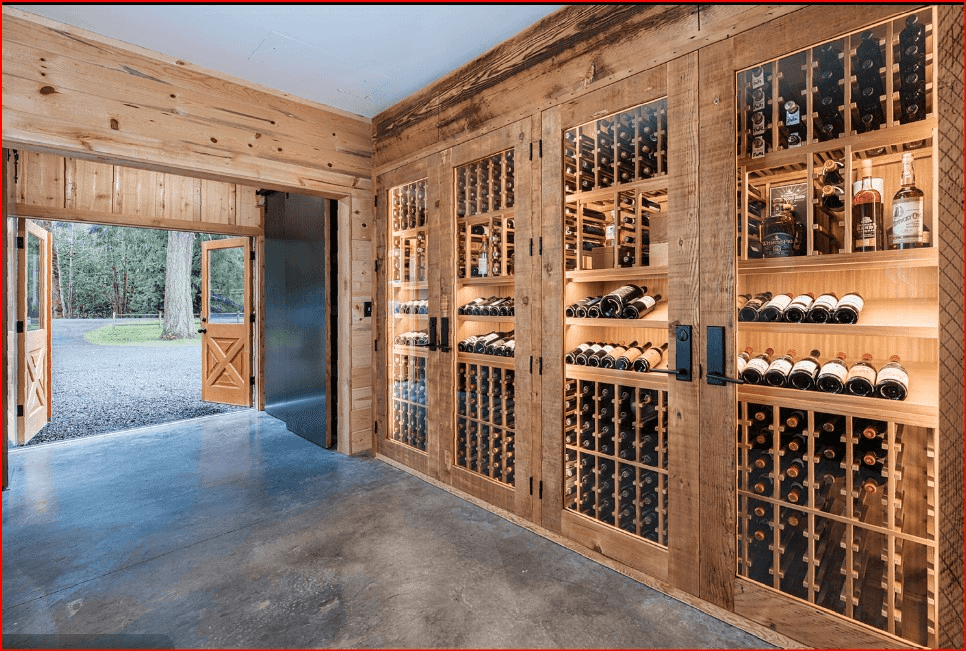
Bringing your own homemade wine to a party or restaurant is an impressive feat that showcases your craftsmanship. While commercial wine offers consistency, home-brewed wine has a unique charm and personal touch. The key to success lies in using the right equipment and understanding the science behind each step. For beginners, knowing which tools are essential and how to use them properly makes the difference between a failed batch and a delicious, high-quality wine. This guide covers the must-have equipment, corrects common misconceptions, and provides practical tips based on established winemaking practices. Why Equipment Matters in Wine MakingQuality winemaking equipment ensures:
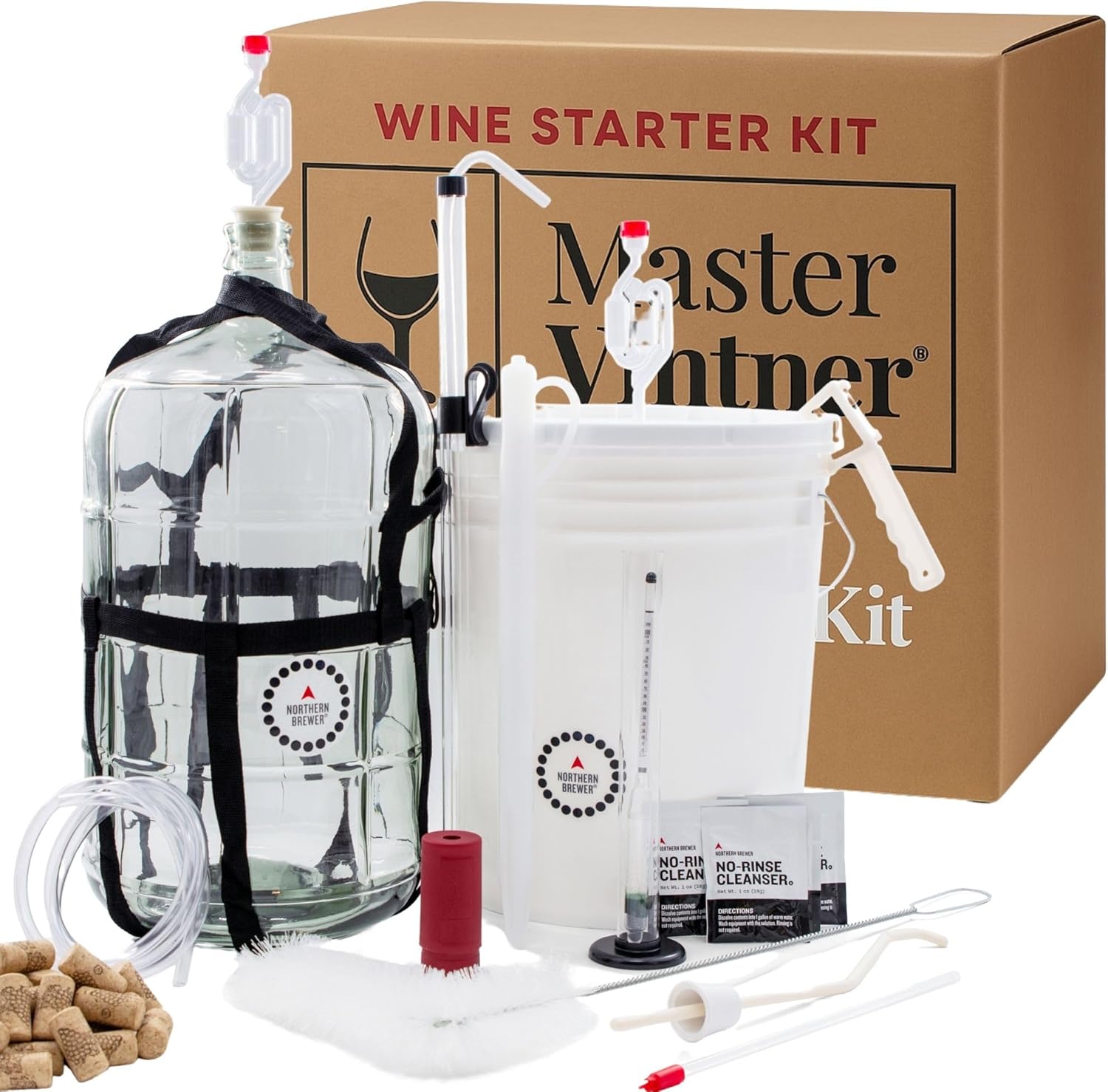
Without proper tools, even the best ingredients can lead to disappointing results. Whether you're making red, white, or fruit wine, the right equipment is your foundation for success. Essential Wine-Making Equipment for Beginners1. Primary Fermentation ContainerWhat it is: A food-grade plastic bucket, barrel, or large container with a lid and airlock. Why it's essential: Primary fermentation is where yeast converts sugar to alcohol. During the early stages, yeast actually needs oxygen to reproduce and build a strong colony. The airlock allows carbon dioxide to escape while preventing contaminants from entering. How to use it:
Temperature guidelines:
Tip: Some winemakers leave primary fermentation containers loosely covered with a sanitized cloth or loosely fitted lid (not fully open) for the first 24 to 48 hours to allow oxygen in for yeast growth. This is optional and depends on your comfort level with contamination risk. 2. Carboys for Secondary FermentationWhat it is: Glass carboys (typically 1 to 7 gallons) with fermentation locks. Why it's essential: Secondary fermentation is where anaerobic conditions become critical. This stage refines flavors, clarifies the wine, and allows sediment to settle. Glass allows you to monitor clarity without disturbing the wine.| How to use it:
Tip: Most carboys have narrow openings. This is standard and works well for winemaking. 3. Crushers and De-Stemmers
What it is: Manual or electric tools to separate grapes from stems and crush the fruit. Why it's essential: Speeds up maceration (for red wines) and fermentation by breaking down grape skins, releasing flavors, color, and tannins. How to use it:
Budget alternative: For very small batches (1 to 2 gallons), you can use a clean potato masher or your hands (sanitized). Note that hands cannot de-stem efficiently, and mashers may introduce shearing that's not ideal for red wines. For larger batches or better quality, invest in a proper crusher. 4. Hydrometer for Measuring Sugar and AlcoholWhat it is: A floating hydrometer that measures specific gravity (the ratio of sugar content to water). Why it's essential: Tracks fermentation progress and predicts alcohol content. How to use it:
Tip: Record readings every few days to monitor fermentation progress. A stable reading over 3 days indicates fermentation is complete. 5. Winepress for Juice ExtractionWhat it is: A manual or hydraulic press to separate juice from grape solids. Why it's essential: Maximizes juice yield, especially for red wines where maceration with skins is crucial.
How to use it:
Budget alternative: Use a nylon straining bag and squeeze by hand for small batches. Avoid burlap sacks (not food-safe, sheds fibers, traps bacteria). 6. Auto-Siphon and Racking CaneWhat it is: Food-grade tubing with an auto-siphon or racking cane for transferring wine.
Why it's essential: Transfers wine from one container to another, separating sediment and clarifying the wine. Auto-siphons are easier and safer than manual siphons because they start the flow without sucking on the tube.
How to use it:
Tip: Use a racking cane with a tip to avoid disturbing sediment at the bottom. 7. Bottling Wand
What it is: A spring-loaded tube that attaches to your siphon for controlled bottling. Why it's essential: Controls wine flow during bottling, minimizes oxygen pickup, and prevents spills.
How to use it:
Tip: This tool makes bottling much easier and cleaner for beginners. 8. Stoppers and Airlocks for Storage
What it is: Airlocks, corks, or screw caps for fermentation and storage. Why it's essential: Prevents oxygen and bacteria from entering wine containers, avoiding spoilage.
How to use it:
Tip: Sanitize stoppers with star sanitizer or potassium metabisulfite before use. 9. Wine Thief for SamplingWhat it is: A long tube with a valve to draw small wine samples. Why it's essential: Allows you to test wine quality and fermentation progress without introducing oxygen.
How to use it:
Tip: Use a sterilized thief to prevent bacterial contamination. 10. Wine Paddle for Cap ManagementWhat it is: A wooden or plastic paddle (or clean spoon). Why it's essential: For red wines, grape skins float to the top forming a "cap." This cap must be managed to extract color and tannins.
How to use it:
Tip: Use a sanitized paddle and punch down gently to avoid damaging grape skins. 11. Straining Bag for ClarificationWhat it is: A fine mesh bag or cheesecloth. Why it's essential: Filters out sediment and fine particles before transferring wine to a secondary fermentation container. How to use it:
Tip: Use a clean, food-safe nylon bag. Avoid burlap (not food-safe).
Additional Essential Tools Often Overlooked12. Campden Tablets (Potassium Metabisulfite)What it is: Tablets containing potassium metabisulfite (SO₂). Why it's essential: Sanitizes must, prevents oxidation, and stops wild yeast or bacteria growth.
How to use it:
Important safety note:
13. Yeast NutrientWhat it is: A supplement containing nitrogen and vitamins for yeast health. Why it's essential: Prevents stuck fermentation and off-flavors. How to use it:
14. Acid Test Kit or pH MeterWhat it is: A tool to measure acidity (pH) of wine. Why it's essential: Proper acidity (pH 3.0 to 3.6) ensures balanced flavor and prevents spoilage. Additional Tips for BeginnersSanitation is Non-Negotiable
Choosing the Right Container Sizes
Budget-Friendly Alternatives
Troubleshooting Common Issues
What Success Looks LikeWith the right equipment, proper sanitation, and attention to temperature and timing, you can produce high-quality, flavorful wine at home. Start with the essentials, focus on understanding the science, and don't hesitate to experiment. Over time, you'll refine your technique and create wines that rival commercial products. Now, gather your tools, follow these steps, and enjoy the rewarding process of crafting your own wine!
Did You Enjoy This Article? 📰 If you found this piece engaging, subscribe to The 413 Insider! Join our community today and be part of the conversation!
As an Amazon Associate the owner of this site may earn commissions from qualifying purchases. The owner of this newsletter may earn commissions on affiliate links in emails and in articles. Possible earnings do not impact reporting or reviews in any way. (it's how we keep the lights on!) The 413 Insider Newsletter R.E.L. Media Group 1690 Boston Rd #1075 ,Springfield Massachusetts 01129
|


|

0 Comments
Join the conversation
Be the first to comment
Share your thoughts above.