

Grid Collapse: Causes, Risks, and How to Prevent a Blackout |
Unraveling the Mystery of Grid Collapse: Discover the Hidden Dangers Lurking Behind Your Power Supply. |
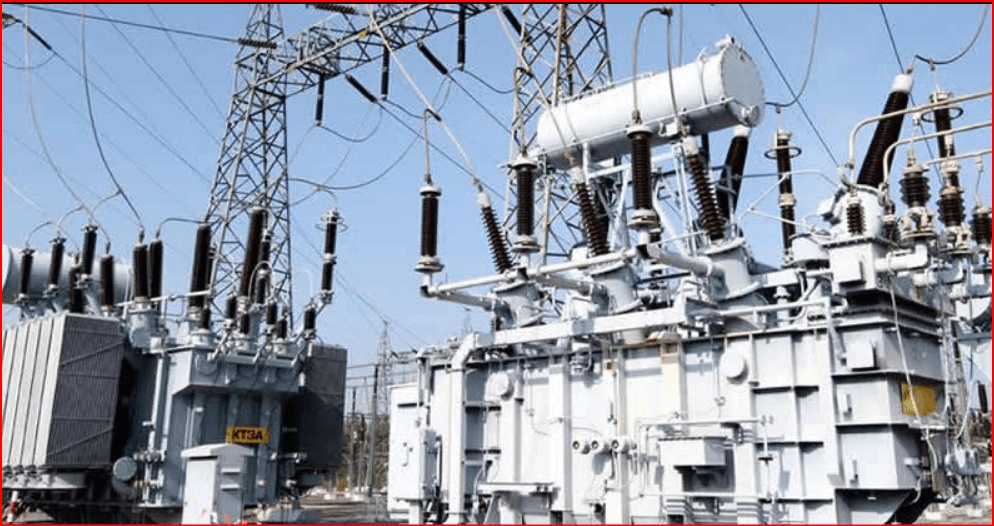
Imagine waking up one day to find your lights flickering, your phone dead, and no way to get clean water or food. A grid collapse isn’t just a scary story—it’s a real threat that could disrupt your life in ways you never expected.
If you don’t prepare now, you could face hours, days, or even weeks without the essentials you rely on every day. But what if you had a simple plan to keep yourself and your loved ones safe when everything goes dark? You need to understand what causes a grid collapse and, more importantly, how to survive it. That’s where the Urban Survival Code comes in. This guide shows you step-by-step how to protect your home, gather supplies, and stay calm under pressure. Don’t wait until it’s too late—check out the Urban Survival Code here and get ready to face any blackout with confidence: Urban Survival Code. Your safety depends on what you do today.
Introduction To Grid Collapse And Its Significance
Grid collapse refers to the failure of the electrical power system over a large area. It can cause long-lasting blackouts and disrupt daily life. Understanding grid collapse is vital for safety and preparedness. This section explains what grid collapse means and why grid stability matters.
Understanding What Grid Collapse Means
A grid collapse happens when the electrical grid stops working properly. This failure affects power generation, transmission, and distribution. It can occur due to:
When the grid collapses, homes, hospitals, and businesses lose power. This causes chaos and can last for days or weeks. Why Grid Stability Is Crucial For Modern SocietyThe electrical grid powers almost everything in daily life. Grid stability ensures:
Without stable power, society faces many problems:
Grid stability is a backbone for modern life. Preparing for possible grid collapse helps protect people and communities.
Common Causes Of Grid Collapse
Grid collapse happens when the power system fails to deliver electricity reliably. Various factors can trigger this failure, causing widespread blackouts and disruptions. Understanding these causes helps prepare better and reduce risks.
Natural Disasters And Their Impact On Power Infrastructure
Natural disasters like hurricanes, earthquakes, floods, and wildfires can severely damage power lines, transformers, and substations. These events often lead to:
For example, hurricanes can flood power stations, causing short circuits and system failures. Earthquakes may topple towers, breaking critical connections in the grid.
Technical Failures And Aging Equipment
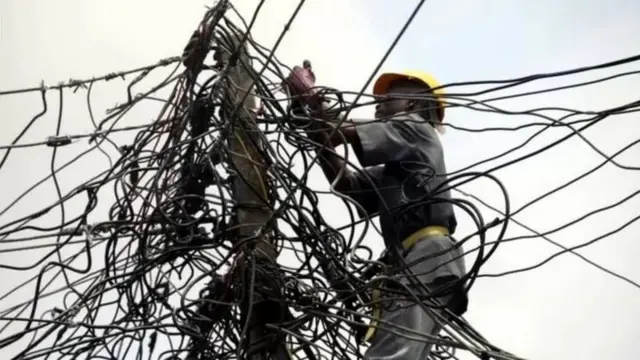
Technical failures occur due to worn-out or outdated equipment. Aging infrastructure increases the risk of breakdowns, such as:
Regular maintenance can reduce risks, but many grids operate with decades-old hardware. These failures often cause local outages that can spread quickly if not contained. Cyberattacks And Human Errors
Cyberattacks on grid control systems can disrupt power flow or cause intentional shutdowns. Hackers may exploit software vulnerabilities to:
Human errors like incorrect settings or operational mistakes also lead to outages. Both factors can cause cascading failures across the grid. Demand Surges And Supply ShortagesSudden increases in electricity demand or supply drops strain the grid. Common causes include:
When demand exceeds supply, protective systems may shut down parts of the grid to avoid damage. These demand-supply imbalances can cause blackouts affecting millions.
Risks And Consequences Of A Grid Collapse
A grid collapse occurs when the electrical system fails on a large scale.
This leads to severe problems affecting daily life, safety, and the economy. The consequences are serious and wide-ranging. Understanding these risks helps prepare for such emergencies. Economic Disruptions And Financial LossesPower outages cause major economic disruptions. Businesses stop working, factories halt production, and stores close. This leads to:
Small businesses suffer most due to limited backup power options. The overall economy slows down, affecting many sectors.
Public Safety And Health Hazards
A grid collapse threatens public safety and health. Without power:
Hospitals rely on backup generators, but these may run out of fuel quickly. Water purification systems also fail, risking contamination. Impact On Critical Services And Emergency ResponseCritical services depend on electricity to operate. A grid collapse disrupts:
Emergency responders face challenges reaching people in need. This slows down rescue and recovery efforts significantly.
Long-term Environmental And Social Effects
Long power outages cause lasting environmental and social problems:
Recovery can take weeks or months, affecting daily life and mental health. Planning and preparedness reduce these impacts. Key Strategies To Prevent Blackouts And Grid Failures
Blackouts and grid failures disrupt daily life and critical services. Preventing these events requires a mix of smart planning, technology, and community efforts. Focusing on key strategies helps keep the electrical grid stable and reliable. Here are crucial approaches to strengthen the grid against collapse.
Investing In Infrastructure Modernization
Old power lines and equipment fail more often. Updating infrastructure reduces risks and improves performance. Modern systems handle more power and extreme weather better.
Modern infrastructure supports new energy sources and smarter grids. Implementing Advanced Monitoring And Control TechnologiesReal-time data helps operators act fast. Sensors and AI detect problems before they spread.
Fast response cuts blackout chances and improves recovery time. Enhancing Cybersecurity MeasuresPower grids face cyber threats that cause failures. Protecting digital systems is vital.
Strong defenses prevent attacks that could shut down the grid. Demand Management And Energy Efficiency ProgramsControlling energy use lowers stress on the grid. Programs help shift usage to off-peak times.
Less demand means fewer chances for grid overloads and blackouts. Promoting Renewable Energy And Decentralized SystemsRenewables reduce dependence on central power plants. Small, local systems add backup power.
Decentralized power strengthens resilience during failures. Role Of Policy And Community Engagement In Grid Stability
Grid stability depends on strong policies and active community involvement. Without clear rules and public cooperation, power systems risk failure. Policies guide how energy is produced, distributed, and conserved. Communities prepared for outages reduce strain on the grid and speed recovery. This section explores key factors that support a stable energy grid. Government Regulations And Incentives
Governments set rules to ensure reliable power supply. Regulations require utilities to maintain infrastructure and invest in smart technologies. Incentives encourage adoption of renewable energy and energy-saving devices.
These policies promote a resilient grid that can handle sudden demands or failures.
Public Awareness And Preparedness Initiatives
Communities informed about power risks respond better during outages. Public campaigns teach people how to prepare and stay safe. Preparedness reduces panic and emergency calls, helping utilities focus on fixing problems.
Well-prepared citizens support grid stability by lowering sudden demand spikes.
Collaboration Between Utilities And StakeholdersStrong partnerships between utilities, government, and communities improve grid management. Sharing data and resources helps prevent failures and speeds up repairs.
Regular meetings and information exchange create trust and quick action plans. This teamwork reduces risks of grid collapse.
Credit: punchng.com
Conclusion And Future Outlook
Grid collapse threatens daily life and safety. It exposes weaknesses in energy systems. Preparing for such events is critical. The future demands smarter solutions and strong defenses. Advances in technology and proactive planning can reduce risks. Communities and utilities must act now to build resilience. Emerging Technologies To Strengthen Grid ResilienceNew technologies offer hope for a stronger grid. These tools help detect and fix problems fast.
These advances help grids recover quickly and reduce blackout chances. The Importance Of Proactive Measures To Avoid Future CollapsesWaiting for disasters is costly. Taking action before a collapse prevents chaos.
Strong policies and investments build a more secure energy future.
Frequently Asked Questions
What Causes A Grid Collapse?Grid collapse happens due to extreme demand, equipment failure, or natural disasters. It disrupts electricity supply widely and suddenly.
How Can Grid Collapse Be Prevented?Preventing grid collapse involves upgrading infrastructure, improving maintenance, and using smart grid technologies. It also requires better demand management and emergency planning.
What Are The Effects Of Grid Collapse?Grid collapse causes power outages, disrupts services, and impacts communication. It affects homes, businesses, and critical infrastructure like hospitals.
How Long Does A Grid Collapse Last?Duration varies from minutes to days, depending on the damage and repair speed. Recovery depends on resources and preparedness.
Conclusion
Grid collapse can disrupt daily life and safety quickly. Preparing yourself with the right knowledge is vital. Simple steps can help you stay safe and calm during emergencies. Learning survival skills boosts confidence and readiness. For more detailed guidance, check out Urban Survival Code. This resource offers practical tips for surviving grid failures. Stay informed, stay prepared, and protect your loved ones. Small actions today can make a big difference tomorrow. https://www.youtube.com/watch?v=LqCX80kpGc4
|

0 Comments
Join the conversation
Be the first to comment
Share your thoughts above.