

When the Connecticut River Reclaimed Hatfield's Tobacco Fields |
Uncovering the Mysteries of Hatfield's Lost Tobacco Industry - How the Connecticut River Sparked a Forgotten Past |
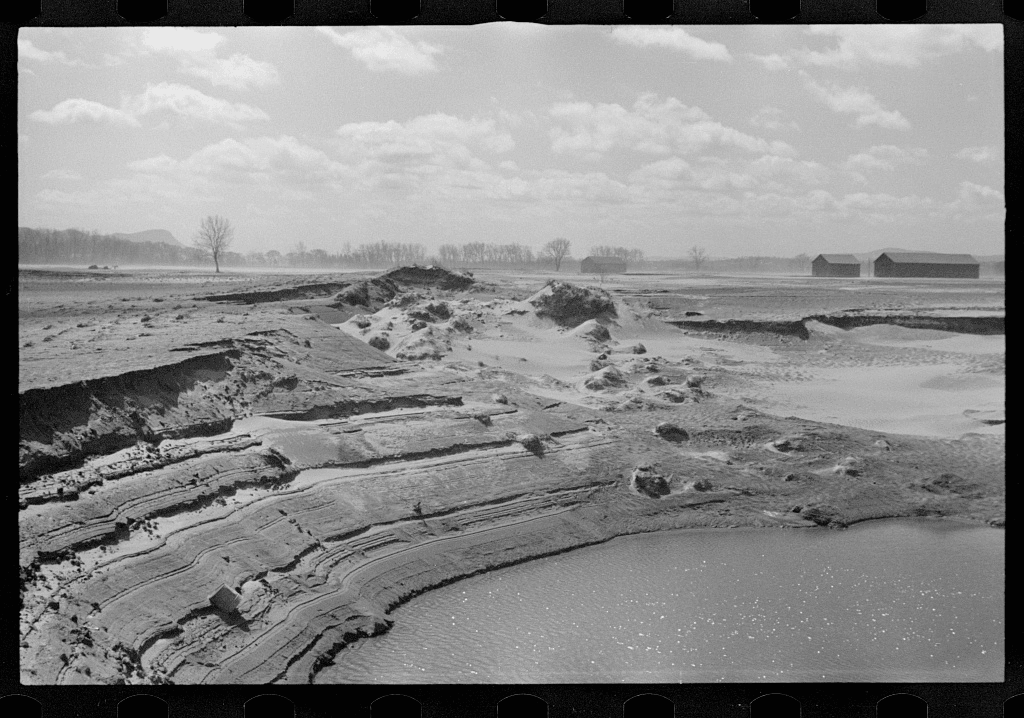
When the Connecticut River Reclaimed Hatfield's Tobacco Fields: The Devastating Flood of 1936The Connecticut River Valley has long been synonymous with tobacco farming, but this striking photograph from the Library of Congress archives captures a moment when nature temporarily reclaimed what farmers had cultivated—during the catastrophic flood of March 1936. This historic image shows tobacco lands near Hatfield, Massachusetts, in the aftermath of what was described as the worst flood in Connecticut River history. The photograph, preserved as part of the Farm Security Administration collection, reveals the devastating impact on the region's agricultural heartland. A Perfect Storm of DisasterThe March 1936 flood was caused by a catastrophic combination of heavy rainfall, rapid snowmelt, and ice jams along the Connecticut River. The result was unprecedented flooding that devastated communities and farmland throughout the valley. For tobacco farmers in Hatfield and neighboring towns like Northampton, the timing couldn't have been worse—the flood destroyed fields just as farmers were preparing for the growing season. A Landscape TransformedThe scene captured in this photograph is stark and sobering. Where orderly rows of tobacco plants would soon have grown, muddy channels and debris now dominate the landscape. The floodwaters carved deep gullies through the rich soil, leaving behind a patchwork of standing water and sediment. In the distance, farm buildings stand as silent witnesses to the river's power, while bare trees punctuate the horizon under a dramatic sky. The Valley's Tobacco LegacyThe Connecticut River Valley, particularly around Hatfield, was famous for its shade-grown tobacco used as premium cigar wrapper leaf. The region's fertile alluvial soil—ironically deposited by previous floods—made it ideal for this specialized crop. Tobacco farming was the economic backbone of communities throughout the 413 region for much of the 20th century. Yet this prosperity came with risk. The 1936 flood demonstrated just how vulnerable these farms were to the river's power. The disaster led to significant changes in flood management, including the construction of dams, dikes, and levees designed to prevent such catastrophic flooding in the future. A Window into HistoryThis photograph serves as a powerful reminder of both the resilience of Valley farmers and the unpredictable relationship between agriculture and nature. While tobacco farming has largely disappeared from the region today, images like this one preserve an important chapter in Western Massachusetts history—one of hard work, natural disaster, and communities that rebuilt and persevered. The 1936 flood remains a pivotal moment in the valley's history, a reminder of nature's power and the determination of the farmers who called this fertile land home. Image courtesy of the Library of Congress Prints and Photographs Division (LC-DIG-fsa-8a20644) |
0 Comments
Join the conversation
Be the first to comment
Share your thoughts above.