

A Window into Greenfield's Past |
Unveiling Greenfield's Forgotten History: Discover the untold secrets of Greenfield's past in this captivating article. |
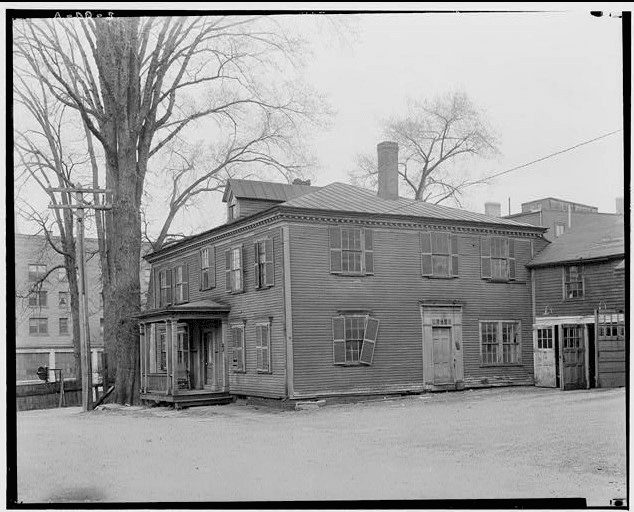
There's something haunting about old photographs—the way they freeze a moment in time, preserving stories that might otherwise be lost to history. This April 1934 image, captured by photographer Arthur C. Haskell for the Historic American Buildings Survey, does exactly that for a piece of Greenfield's heritage: the Reverend Roger Newton House.
Standing at Newton Place, the two-story clapboard structure speaks to an era when Greenfield's spiritual leaders were pillars of the community, their homes as much a part of the town's fabric as the churches they served. The house, with its simple Colonial lines and practical New England architecture, reflects the modest dignity befitting a man of the cloth in early Massachusetts.
By the time Haskell's camera clicked in 1934, America was deep in the Great Depression. The Historic American Buildings Survey—a New Deal program—was documenting architectural treasures across the nation, employing out-of-work architects and photographers while preserving our built heritage. That this Greenfield home made the cut tells us something important: Reverend Newton's house mattered to the community's identity.
What's particularly poignant is the notation that the house was "moved from original location." Like so many historic structures, it had already begun its journey through time and space, displaced but not forgotten. The fact that it was relocated to Newton Place—perhaps named for the reverend himself—suggests the community's determination to preserve this connection to its past.
Looking at the photograph's southeast view, you can almost imagine the reverend walking through that front door, preparing Sunday sermons, counseling parishioners, living a life of quiet service in what was then a much smaller, tighter-knit Greenfield.
The house stands as a testament not just to one man, but to the generations of Franklin County residents who built their lives around faith, community, and the simple, sturdy values reflected in its weathered clapboards.
Today, this image resides in the Library of Congress, a piece of the 413's story preserved for posterity—a reminder that every old house has a tale to tell, if we take the time to listen. |




0 Comments
Join the conversation
Be the first to comment
Share your thoughts above.